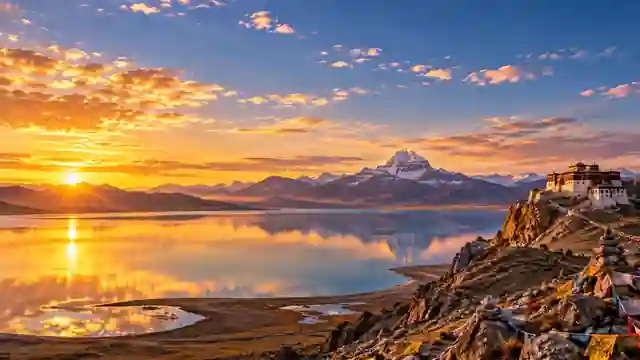
Mount Kailash in western Tibet
BEGIN KAILASH KNOWLEDGE LIBRARY

Understand the place.
Then understand the pilgrimage.

Volume 1 becomes a living digital guide — geography, sacred traditions, the Parikrama, preparation and reflection — presented with reverence and clear distinctions between documented place, devotional tradition and practical guidance.

Kailash • An Illustrated Knowledge Series

Volume 1, reimagined for the web.

The printed volume begins with the sacred landscape, moves through traditions of reverence and the path of Parikrama, then closes with preparation and reflection. Begin Kailash keeps that same journey, but makes it searchable and interactive.

GeographyTraditionPilgrimagePreparation
01

The Sacred Landscape

Place before pilgrimage

GEOGRAPHY

At the Roof of the World

Where are Kailash and Mansarovar?

Mount Kailash rises in far western Tibet, with Lake Mansarovar nearby in the high Tibetan plateau.

Volume 1 introduces the physical landscape first: Mount Kailash, Lake Mansarovar and neighbouring Rakshastal, before moving into the meanings that pilgrims and traditions place upon them.
TRADITION

The Meaning of the Names

Kailasa and Manasa-sarovara

The book explores the traditional meanings associated with Kailasa and Manasa-sarovara.

Its devotional framing links Kailasa with crystal-like brilliance and the sacred abode, while Manasa-sarovara is presented through the Sanskrit ideas of mind and lake.
02

Traditions of Reverence

Why Kailash is held sacred

TRADITION

One Sacred Mountain, Four Great Traditions

Hinduism • Buddhism • Jainism • Bön

Kailash is revered across Hindu, Buddhist, Jain and Bön traditions, each with its own sacred narratives.

Begin Kailash presents these traditions respectfully as traditions — not as interchangeable claims — so visitors can understand why this landscape carries meaning for different communities.
GEOGRAPHY

Two Neighbouring Lakes

Mansarovar and Rakshastal

The two lakes sit close to Kailash yet have contrasting geography, imagery and traditional associations.

Volume 1 contrasts Mansarovar's devotional associations with the dramatic, austere character of Rakshastal and notes the natural channel between the two lakes.
03

The Path of Parikrama

The outer circuit and inner pilgrimage

PILGRIMAGE

Why Pradakshina Matters

The spiritual meaning of circling the sacred

For Hindu yatris, clockwise circumambulation expresses reverence, humility and the placing of the sacred at the centre.

The book connects the familiar practice of pradakshina around a temple with the much larger sacred circuit around Kailash.
PILGRIMAGE

The Three Days of the Kailash Parikrama

Darchen • Diraphuk • Dolma La • Zutulphuk

The usual three-day circuit moves through very different terrain and culminates in the demanding Dolma La crossing.

Volume 1 describes Day 1 toward Diraphuk, Day 2 across Dolma La toward Zutulphuk, and the gentler final day returning toward Darchen.
PILGRIMAGE

Dolma La and Gauri Kund

The high pass and the sacred waters below

Dolma La is the highest and physically most demanding point of the Parikrama in the book's route narrative.

The page combines physical reality — thin air, climbing and descending — with Tibetan Buddhist and Hindu sacred associations around the pass and Gauri Kund.
04

The Pilgrim's Preparation

Faith with discipline

PREPARATION

Preparing for the Yatra

Faith with discipline

The book treats preparation as part of devotion: walking, medical readiness, hydration, acclimatisation, clothing and inner intention.

Its central idea is that a well-prepared yatri respects both the sacred purpose of the Yatra and the demands of altitude, weather and terrain.
PREPARATION

A Yatri's Daily Sadhana

Simple ways to prepare body, mind and heart

A daily rhythm of mantra, sacred reading, walking, hydration, rest, Sankalpa and gratitude can turn preparation into practice.

Begin Kailash carries this idea forward into Kailash Ready: practical preparation can sit alongside devotion rather than apart from it.
05

Closing Reflections

More than a destination

REFLECTION

Kailash: More Than a Destination

A sacred landscape of faith, pilgrimage and wonder

The closing pages return to the core idea that Kailash is not simply a place to reach.

For the traveller it may be geography; for the pilgrim it is also meaning, discipline, reverence and the experience of moving through a landscape generations have held sacred.
Ask Kailash

A quiet guide to the questions that come before the Yatra.

For now this searches the curated Begin Kailash knowledge set. We will later evolve it into a deeper guided assistant using only approved source material.

CURATED FROM VOLUME 1

Where are Mount Kailash and Lake Mansarovar?

Volume 1 places Mount Kailash in far western Tibet, in the Ngari region, with Lake Mansarovar nearby on the high Tibetan plateau. The book begins with geography before moving into sacred meaning.

Explore the knowledge library →
How we handle faith and knowledge

Reverence with clarity.

Sacred narratives are presented as the traditions that hold them. Geography and practical journey information are treated separately. That approach follows the reader note in Volume 1: tradition, history, devotional belief and lived pilgrimage should be presented with respect and discernment.

Now understand the 2027 journey →
Begin with clarity

Get Volume 1 + the Yatri Starter Pack.

Receive Somsha's Kailash Illustrated Knowledge Series — Volume 1, plus routes, preparation guidance and the first things to understand before deciding whether 2027 is your year.

This opens a WhatsApp conversation with the Somsha UAE Yatra team. Your Volume 1 + Starter Pack is complimentary.